Stocking a Small Pantry
The modest list of tins, grains, seasonings and freezer staples that helps me cook without a special trip to the shops.
A pantry is not a shop
A small pantry is less about having every possible ingredient and more about having a few useful things that get on with one another. In my flat, this means one cupboard shelf, a lower drawer, and the rather precarious space above the fridge. There is no room for twelve kinds of vinegar or a collection of pasta shapes chosen solely for their photogenic qualities.
The aim is not to avoid shopping forever. Fresh vegetables, milk, eggs and bread still need replacing. But a sensible store of dry goods, tins and freezer bits means that a tired Tuesday can become dinner rather than a debate about takeaway. It also makes it easier to use the half onion, lone carrot or slightly wilted greens already in the fridge.
I try to buy ingredients with more than one job. A tin of tomatoes can become sauce, soup or a braise. Lentils can be lunch, a side dish or the backbone of a proper supper. This is much more useful than owning a jar of something bought for one ambitious recipe in 2021 and never opened again.
The cupboard staples I replace most often
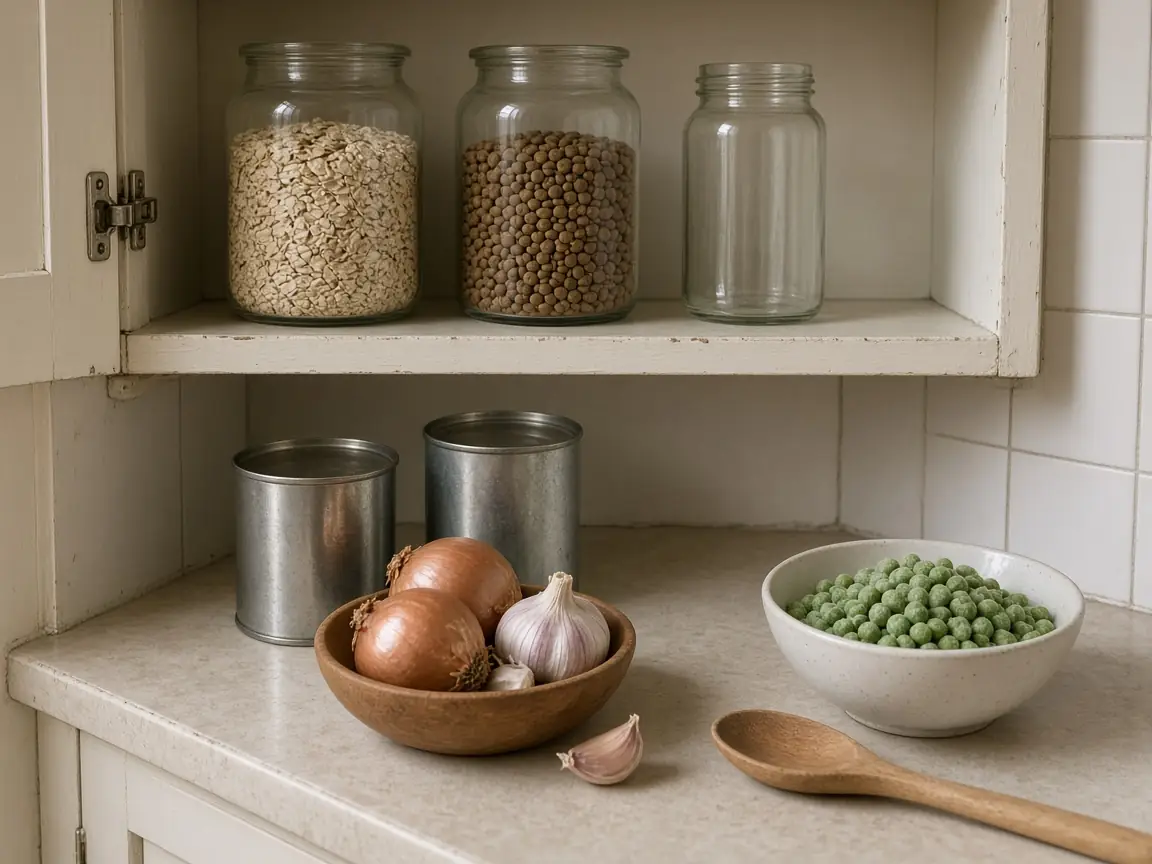
These are the ingredients I use steadily, rather than in great heaps. Keeping modest quantities matters in a small kitchen: food is easier to find, less likely to go stale, and does not avalanche out when I reach for the tea.
- Tinned tomatoes: chopped or whole, plus a small tube or jar of tomato purée. They form the start of sauces, soups and quick bean dishes.
- Beans and chickpeas: I usually keep two tins each of chickpeas, cannellini or other white beans, and black beans. They are already cooked, which is a kindness on busy evenings.
- Lentils: red lentils cook quickly for soup and curry; green or brown lentils hold their shape for salads and stews. One bag of each is plenty for me.
- Grains and starches: rice, pasta, couscous and oats cover most needs. Pearl barley or bulgur is useful if you cook with it regularly, but there is no prize for owning every grain in the wholefood aisle.
- Stock cubes or powder: vegetable stock is the most flexible choice in a small household. I use it to give soups, rice and beans a little more depth.
- Plain flour, baking powder, bicarbonate of soda and sugar: enough for simple baking, thickening a sauce, or turning overripe fruit into a cake.
- Nuts and seeds: walnuts, peanuts or pumpkin seeds are good for crunch and can make a plain bowl of soup feel more deliberate.
The small collection of seasonings that earns its shelf space
Salt, black pepper and olive oil are the quiet workers. Beyond those, I find it useful to have a few flavours that can take dinner in different directions without needing a new shopping list. Garlic and onions are not technically pantry goods in every flat, but I keep them in a cool, dark corner and buy small amounts often.
My useful basics are dried oregano, ground cumin, smoked paprika, chilli flakes, curry powder, cinnamon and bay leaves. Soy sauce, vinegar, mustard and a jar of something hot, such as harissa or chilli paste, provide salt, sharpness and warmth. Lemon juice is lovely, but a bottle of vinegar will wait patiently when the fruit bowl is empty.
This is deliberately a short list. Spices lose their character when they sit around for years, and a drawer full of faded jars is mostly an archaeological project. Buy the seasonings you actually reach for, then replace them when they stop smelling like much.
Tins that make a meal feel possible
I keep a little row of tins where I can see it. If they disappear behind flour and cereal, I will forget they exist and buy more, which is how small cupboards become strangely stressful.
Beans and tomatoes are the essentials, but sweetcorn, coconut milk and a tin of fish are handy too. Sweetcorn can lift a chowder or fritter mixture, coconut milk turns red lentils into a gentle curry, and tinned fish makes a quick pasta or toast supper. I do not stock all of these at once if space is tight; I choose according to what I cook most.
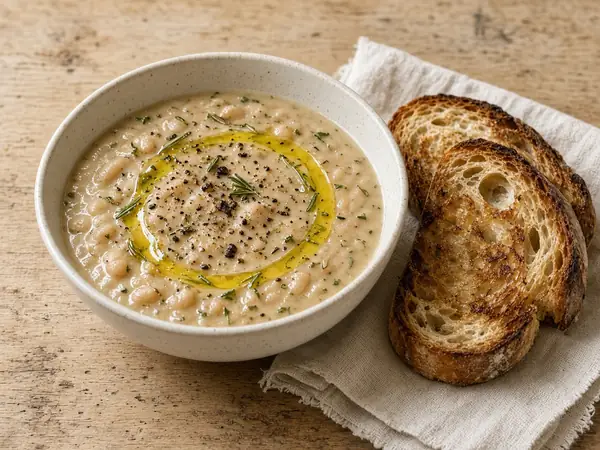
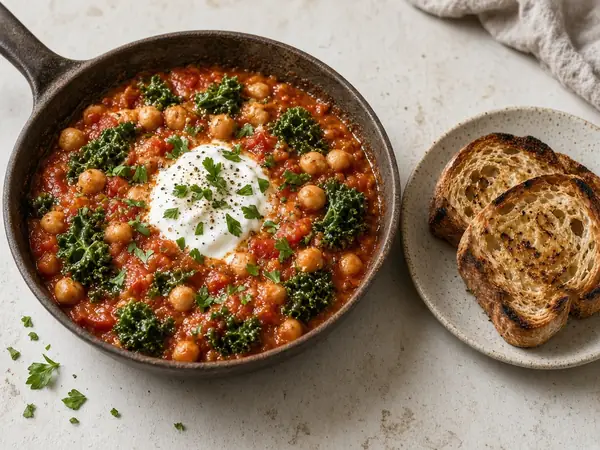
A tin of white beans, tomatoes, stock and rosemary can become a bowl of White Bean and Rosemary Soup with little more than an onion and some bread. Chickpeas, tomatoes and a pinch of cumin are similarly reliable for a quick skillet dinner. These are not glamorous emergency meals, but they are good meals, which is rather better.
Make the freezer do the sensible work
The freezer is part of my pantry, especially when fresh produce has gone expensive or I have bought herbs for one recipe. I freeze in portions that suit my household rather than in heroic family-sized blocks that require a chisel at 6 pm.
Frozen peas, spinach and sweetcorn are the most useful vegetables to keep. They cook quickly and can be added straight from the freezer to pasta, soup, rice or an omelette. I also freeze sliced bread, grated cheese, small portions of cooked rice, and leftover tomato sauce in flat containers or bags.
Herbs freeze surprisingly well when chopped and mixed with a little oil, or simply packed into a small bag. They will not look like fresh parsley scattered over a salad, but they work beautifully stirred into sauces and soups. Ginger also freezes well whole; grate it while frozen and return the rest to its corner.
If I have chicken bones, vegetable trimmings or a portion of homemade stock, I label it before freezing. Labels feel fussy until you are faced with three identical frozen parcels and one of them may be rhubarb.
A few habits that stop food being forgotten
I keep newer packets behind older ones, particularly flour, oats and tins. It is not a formal system, just a small shuffle when I unpack shopping. Once a month, or whenever I am trying to postpone a shop, I look through the cupboard before making a meal plan.
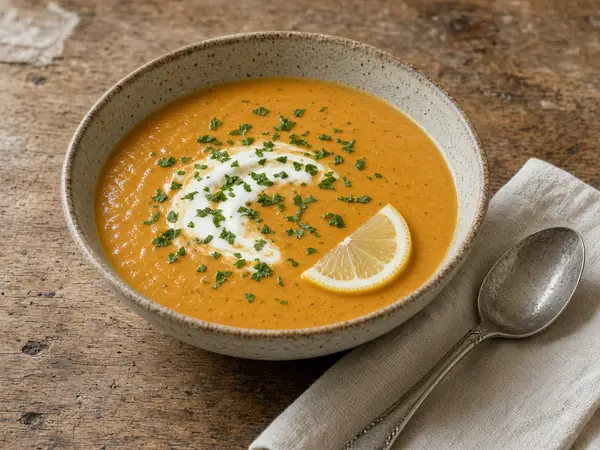
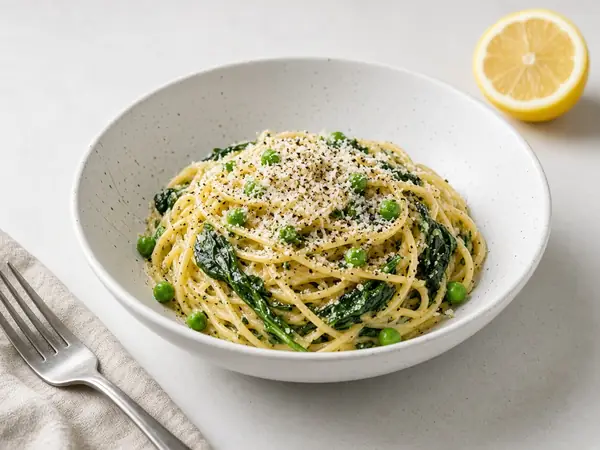
That is often when useful combinations appear. Lentils, carrots and stock lead naturally to Lentil and Carrot Soup. A half bag of pasta, frozen greens, garlic and butter becomes a quick supper. Oats, cinnamon and a bruised apple can turn breakfast into something warmer than cereal from a box.
It also helps to keep a short list on the fridge or in a notes app. When the last tin of tomatoes is opened, it goes on the list. I do not wait until there are none left, because that is precisely when I will want to make tomato sauce and discover that I have somehow accumulated five jars of mustard instead.
Finally, let the pantry reflect your own cooking. If you never make rice, do not buy it because every pantry list says you should. Keep the things that make you think, with some relief, “Yes, I can make dinner from that.”