The Case for a Properly Hot Pan
Why giving a pan a moment to heat properly makes browning easier and dinners less watery.
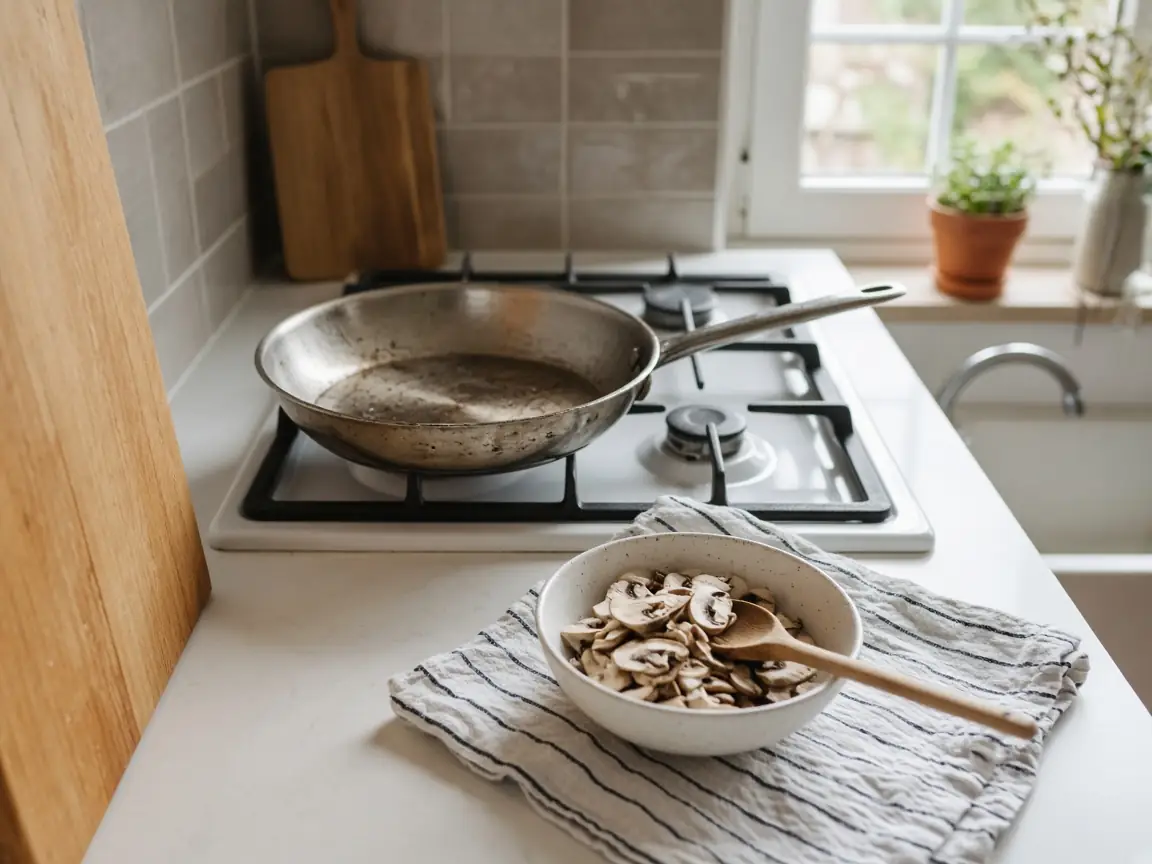
A great many everyday cooking disappointments begin with a pan that was not quite ready. The onions go in, make a faint damp hiss, and sit in a pale heap. Mushrooms leak a small pond. Chicken clings to the base when you try to turn it, then tears in a sulk. It is tempting to blame the ingredients, the recipe, or the pan itself. Usually, the answer is less dramatic: the pan needed another minute.
Getting a pan properly hot is not about making dinner aggressive. It is simply about giving heat time to reach the cooking surface before the food arrives. A hot pan starts cooking food promptly, rather than spending its first few minutes warming up a cold, wet load of vegetables or protein. That small pause can mean better colour, less sticking, and a sauce that tastes concentrated rather than vaguely boiled.
What a hot pan actually does
Browning happens when the surface of food becomes hot enough for its natural sugars and proteins to develop deeper flavours and colour. You do not need to memorise the chemistry to cook well, but it helps to know that browning and steaming are different jobs. Browning needs direct heat and a reasonably dry surface. Steaming happens when moisture gets in the way.
If a cold pan is loaded with sliced mushrooms, courgettes, mince, or tofu, the ingredients release water before the pan has built up much heat. The water turns to steam, the temperature of the pan drops, and the food cooks in its own juices. It may still become tender, but it will take longer to colour. This is how a promising mushroom dinner becomes a rather grey one.
A preheated pan has stored enough heat to cope with the initial shock of cool food. The temperature still drops, because physics is not especially interested in our supper plans, but it does not collapse quite so completely. The food begins to sear or sauté sooner, and excess moisture has a better chance of evaporating.
How to tell when it is ready
For most everyday frying, put the empty pan over a medium or medium-high heat for a minute or two, depending on its weight and your hob. Add oil once the pan is warm, then give the oil a short moment as well. It should look more fluid and lightly shimmering, not smoking. If it smokes, the heat is too high or the oil has been left there too long; take the pan off the heat briefly and lower the setting before carrying on.
With a dry stainless-steel or cast-iron pan, you can flick in a few drops of water. When they sit and slowly bubble, the pan is still warming. When they skitter about in small beads, it is hot enough to add oil. Do not use this test with hot oil already in the pan, and do not make a habit of throwing water into a pan without thinking. A few drops are plenty.
Sound is another useful clue. Food placed in a ready pan should give a clear, steady sizzle. A violent crackle means the heat may be excessive, while barely any sound usually means the pan is too cool. You are listening for purposeful frying, not a performance.
- Preheat the pan empty, unless your recipe specifically says otherwise.
- Use medium heat as a starting point; high heat is not automatically better.
- Add oil just before the food, especially oils that can smoke quickly.
- Make sure ingredients are as dry as practical, particularly fish, tofu, and mushrooms.
- Leave room in the pan so steam can escape.
The overcrowding problem
A hot pan can only do so much if it is crammed full. Even a well-heated pan will struggle with a mountain of cold vegetables straight from the fridge. The food cools the surface, moisture gathers, and suddenly everything is steaming together. This is not a cooking failure; it is simply too much food for the available heat.
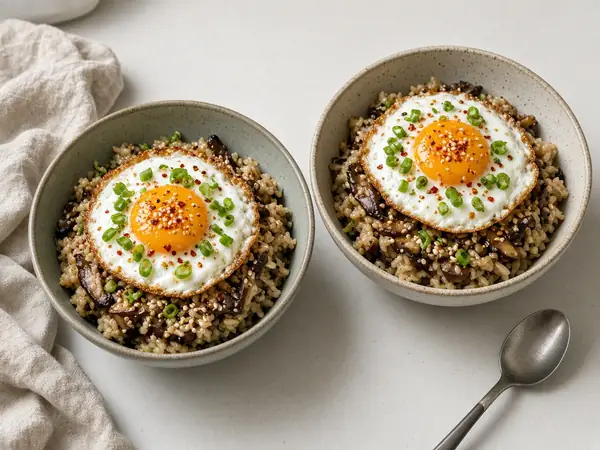
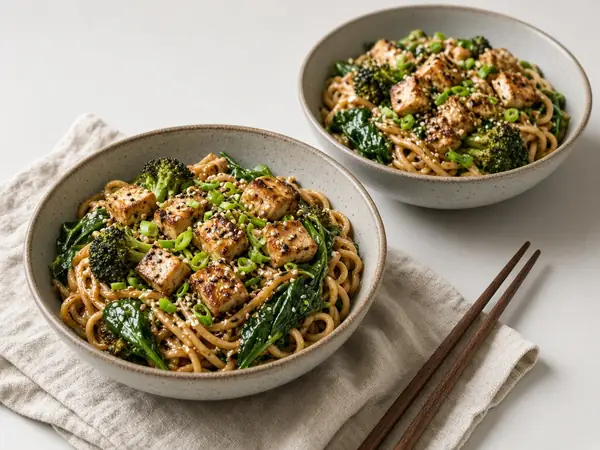
Cook in batches when browning matters. It feels slightly fussy at first, but it often saves time because the food colours faster and the finished dish needs less reducing. For the Mushroom Miso Rice Bowl, I cook mushrooms in a broad layer and let them sit for a moment before stirring. They need space and a little patience more than constant attention. The same approach helps with the tofu in Ginger Tofu Noodle Bowls: blot it dry, heat the pan, and do not turn every piece immediately.
When a gentle start is the right choice
Not every pan should be fiercely preheated. Garlic can burn quickly in a pan that is too hot, and some dishes deliberately begin with onions softening slowly in oil or butter. Tomato sauces, soups, and gentle braises often benefit from a moderate heat, because their aim is sweetness and softness rather than a browned crust.
Non-stick pans deserve particular restraint. They generally do their best work over low to medium heat, and an empty non-stick pan should not be heated hard for long. For eggs, pancakes, or a Spring Vegetable Omelette, warm the pan gently, add fat, and look for a quiet sizzle rather than a blast furnace. A properly hot pan is not necessarily the hottest possible pan; it is the pan at the right temperature for the job.
A small habit with a large payoff
The easiest way to make this part of cooking feel natural is to put the pan on the heat before you begin the final bit of chopping. Slice the last spring onion, measure the spices, or open the tin while it warms. By the time the ingredients are ready, so is the pan. This is one of those modest kitchen habits that makes an ordinary weeknight meal noticeably better without adding another gadget or another bowl to wash.
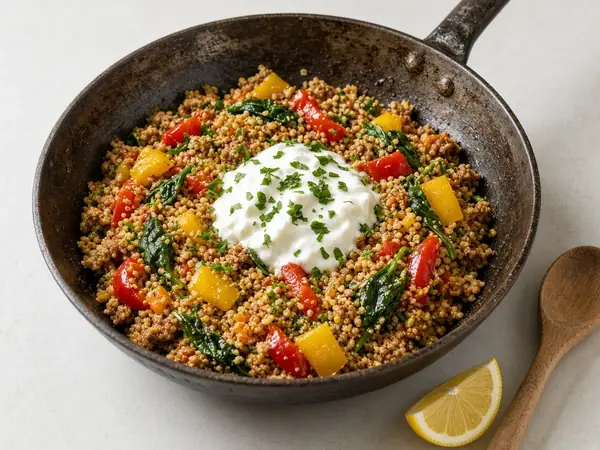
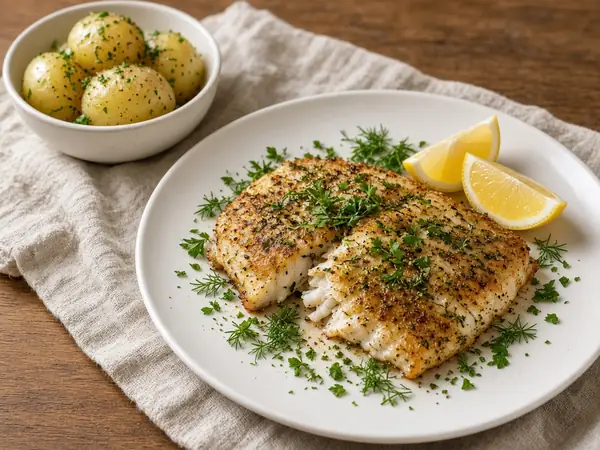
It is especially useful for the Spiced Turkey and Bulgur Skillet, where browned turkey gives the whole pan a fuller flavour, and for Herb Pan-Fried Fish, where a warm, oiled surface helps the fillet release cleanly. In both cases, let the food make contact, then leave it alone long enough to form some colour. If it is stuck fast, it often needs another minute rather than a more determined spatula.
So the next time dinner looks watery, pale, or stubbornly attached to the pan, try changing only one thing. Start the pan first. It is not glamorous advice, but neither is drying the washing-up rack, and both make life easier.