How I Keep Leftovers Useful
Simple habits for storing, labelling and turning small portions into tomorrow’s lunch or supper.
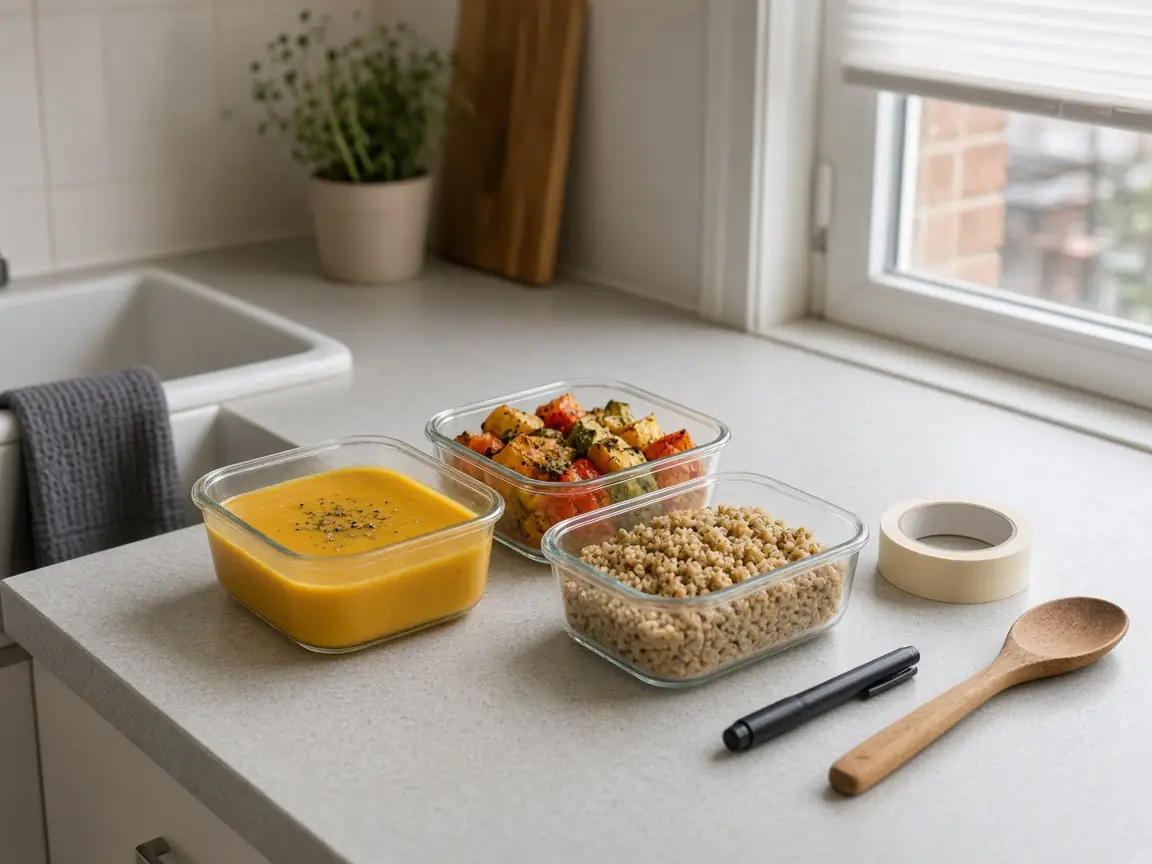
I like cooking once and getting two meals from it, but only when the second meal feels like a proper plan rather than a tub of vague responsibility at the back of the fridge. Leftovers are useful when I can see what they are, know when they were made, and have a reasonably clear idea of how to eat them.
This sounds terribly organised, but my system is not. I have a small stack of lidded containers, a roll of masking tape, and a marker that lives in the kitchen drawer when it is behaving. The main trick is dealing with food while I am already clearing up. If I leave it until later, it becomes one more small job, which is how a perfectly good portion of supper becomes a science project.
Cool it, box it, label it
I divide leftovers into shallow containers so they cool more quickly than they would in the big cooking pot. Once the steam has settled a little, I put them in the fridge rather than waiting for them to reach room temperature. The aim is to get cooked food chilled within two hours, and sooner is sensible on a warm day.
On each container, I write the food and the date. I do not bother with neat labels or quantities. “Bean soup, 25/9” is enough. A date is much more useful than relying on my memory, which is excellent at remembering an interesting biscuit I ate in 2017 and poor at remembering when I made Tuesday’s rice.
- Use shallow, lidded containers where possible.
- Keep the fridge cold, ideally at 5°C or below.
- Eat refrigerated cooked leftovers within two days.
- Freeze portions you will not eat in that time, and label those too.
- Reheat food until piping hot throughout, and avoid reheating the same portion more than once.
Give every leftover a job
The easiest leftovers are complete portions: a bowl of soup, a square of bake, or yesterday’s rice and vegetables packed for lunch. I portion these before serving supper if I know there will be enough. It is a small act of optimism, and it prevents the remaining food being picked over at the table.
Other leftovers are better treated as ingredients. A few roasted vegetables can become an omelette filling. Half a pot of cooked lentils can be stirred through a tomato sauce. A small amount of chicken can go into a sandwich with leaves and mustard. This is not glamorous cookery, but it is often the nicest sort: a meal made quickly because most of the decision has already been taken.
I try to keep a few useful bases on hand for this purpose: eggs, bread, pasta, tinned beans, yogurt, salad leaves, and a lemon or two. With those around, even a modest scoop of leftovers has somewhere to go.
The meals I make on purpose
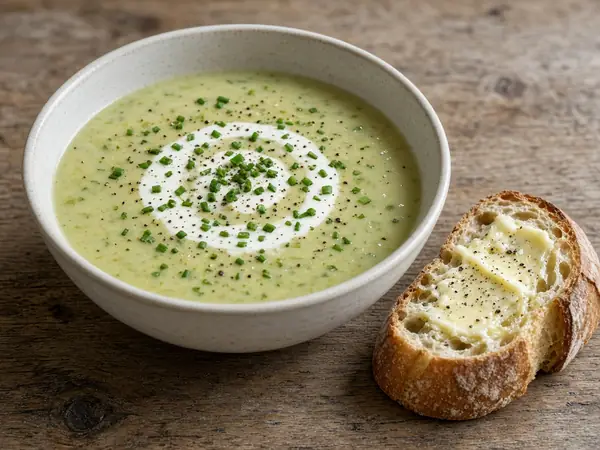
Soups are among the best things to make with tomorrow in mind. A pot of Potato and Leek Soup covers a lunch or two, and when I make a bean or lentil soup I usually freeze one portion straight away. Defrosted soup is particularly welcome on a day when the cupboard looks thin and my patience is thinner.
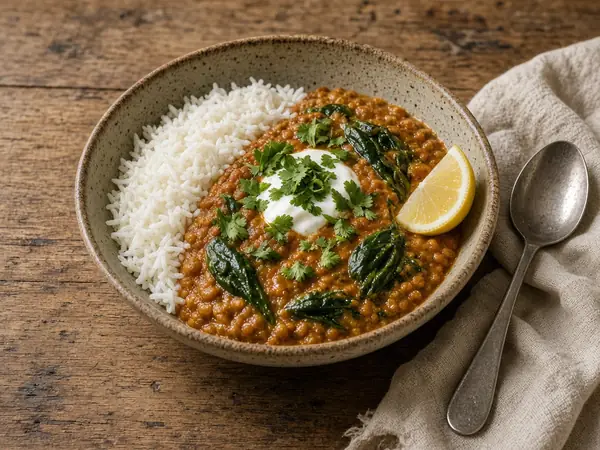
The same applies to sturdier dishes such as Red Lentil Coconut Curry. I keep rice separate where possible, cool it quickly, and use it promptly; rice is not a food I leave lurking for several days. The curry itself can be packed with a spoonful of yogurt, a wedge of lemon, or some fresh herbs added only when it is time to eat. That small fresh thing makes a repeat meal feel less like a repeat.
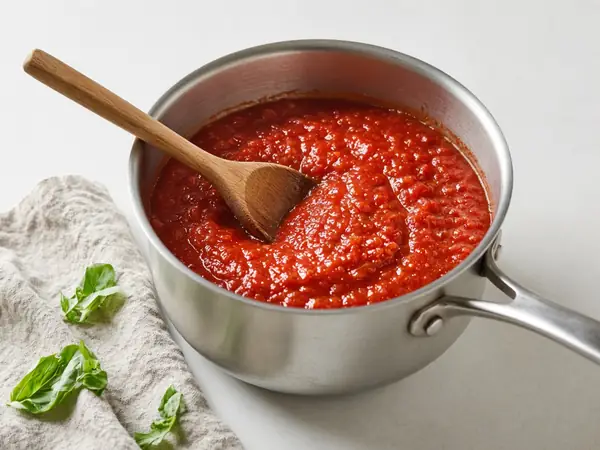
An Everyday Tomato Sauce is also useful beyond its original pasta night. One portion can be warmed with beans for toast, folded into an omelette, or used as the start of a quick pan of chickpeas and greens. It is much easier to use a leftover when it is not expected to perform exactly the same meal twice.
Small portions deserve a place too
The awkward leftovers are the little bits: three spoonfuls of peas, a heel of roast chicken, half an onion, a shallow dish of potatoes. I keep a clearly marked shelf or corner of the fridge for food that needs using first. It saves a surprising amount of rummaging, and it makes lunch choices fairly obvious.
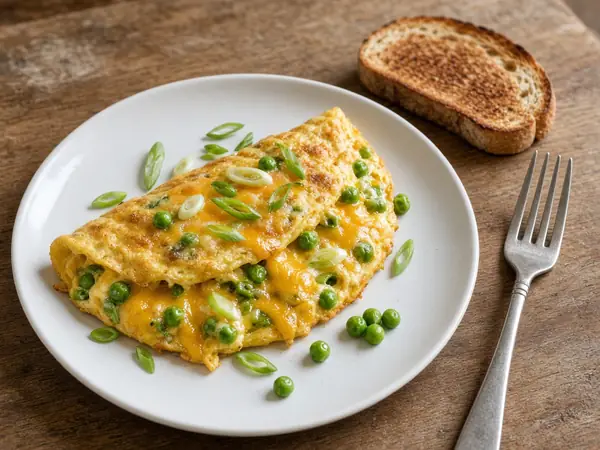
A small portion of potatoes can become a quick warm salad with peas, oil and vinegar. Cooked vegetables are good tucked into a Spring Vegetable Omelette, especially if they are already seasoned. A spoonful of beans, grains or roasted carrots can turn a plain leaf salad into something that will actually see me through the afternoon.
I do not force every scrap into a grand invention. Sometimes the sensible use for a small leftover is to add it to a sandwich, eat it with an egg, or warm it beside toast. The goal is less waste and less effort, not kitchen acrobatics.
A brief Friday fridge check
Once or twice a week, usually before shopping, I have a look through the fridge and make a loose list: eat now, freeze, or discard. Things near their two-day point become lunch. Portions I am unlikely to manage go into the freezer while they are still in good condition. Anything questionable goes out. Being thrifty is useful; being ill is not.
This check also stops duplicate buying. There is no need for another bag of spinach if there is already half a bag behind the yogurt, slowly becoming a green handkerchief. I build supper around what is there, perhaps pasta with leftover vegetables, eggs on toast with tomato sauce, or soup and bread.
Leftovers work best when they are visible, dated and allowed to be ordinary. A labelled tub of soup is not a failure to cook a new meal. It is lunch waiting patiently for you, which is one of the kinder things a kitchen can do.