Cooking for One Without a Week of Repeats
A few ways to cook sensible portions and turn the extras into meals that do not feel like leftovers.
The useful middle ground
Cooking for one is not difficult because one portion is difficult. It is difficult because most ingredients arrive in rather sociable quantities: a whole cabbage, a tin of beans, a bunch of herbs, six sausages, a loaf that seems to go from fresh to archaeology overnight. Cooking exactly one portion every night can become fiddly and expensive, but making a family-sized pot of something and eating it five times can feel a bit like a punishment.
I aim for two portions most of the time. One is dinner, and the other is tomorrow’s lunch, a freezer meal, or the start of something else. This is enough cooking to feel worthwhile, without turning Sunday into an industrial catering operation. The trick is to make an extra that is flexible rather than a finished meal you must faithfully repeat.
- Cook two chicken thighs rather than one, then put the second into a sandwich, soup or fried rice.
- Make extra grains, but season them lightly so they can go in several directions.
- Keep one portion of a soup or stew in the fridge and freeze the rest promptly if there is more than one extra.
- Buy ingredients with at least two meals in mind before they come home.
Think in building blocks, not identical meals
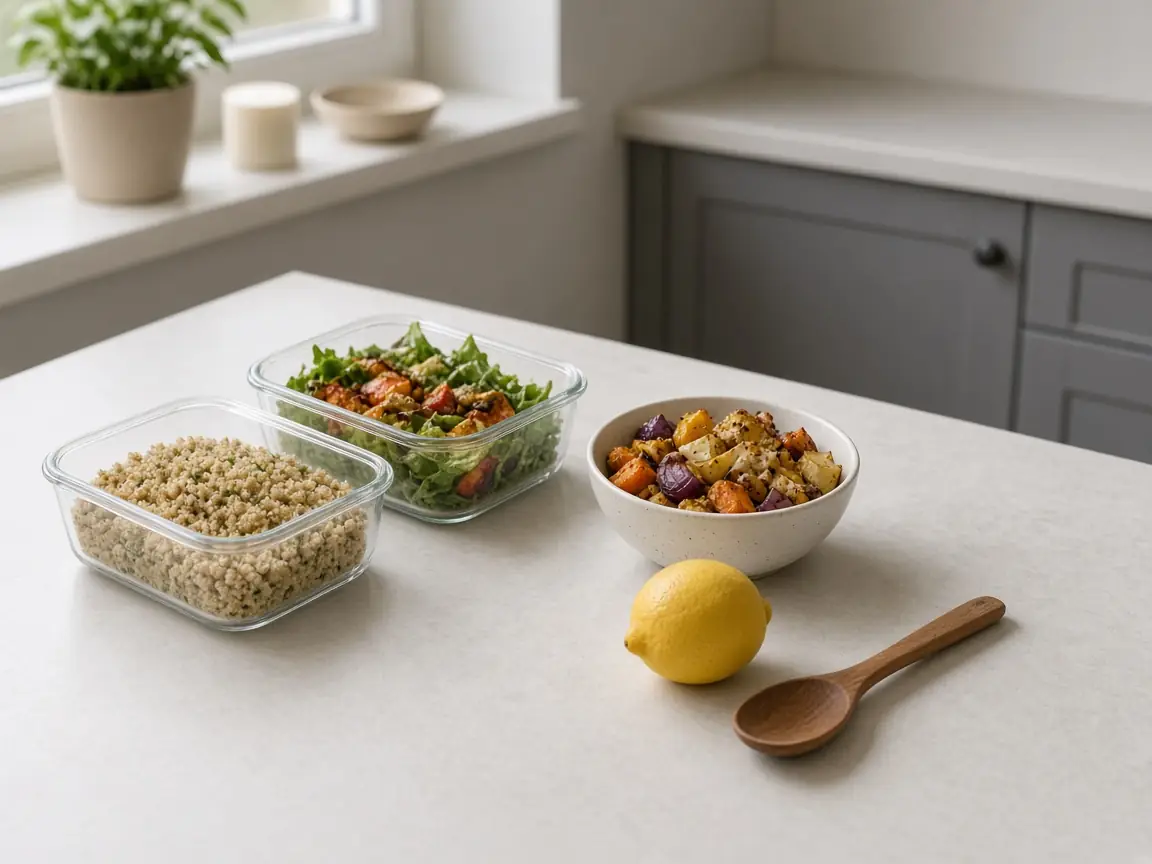
A tray of roasted vegetables can be supper with yogurt and toast on Monday, folded into an omelette on Tuesday, then stirred through pasta on Wednesday. It is still the same cooking, technically, but it does not announce itself as the same meal. A little contrast helps: change the texture, the sauce, or the temperature.
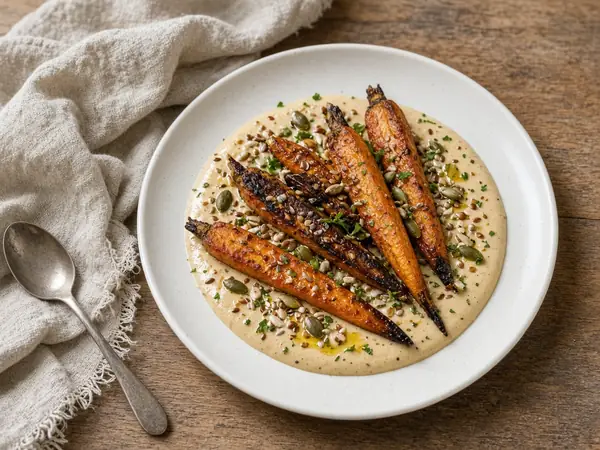
This is why I like to cook plain-ish components alongside one more boldly flavoured thing. Roast a few carrots, cook a small pan of lentils or rice, and make a sharp dressing. The carrots can later become Roasted Carrots with Tahini, while the lentils might be warmed with an egg and greens. The dressing can wake up both meals without requiring another chopping session.
A tin of beans is particularly helpful for one-person cooking. Use half in a quick skillet supper and save the rest, covered in the fridge, for a salad, toast topping or soup the following day. You do not need a solemn plan for every bean; you just need to remember it is there.
- A cooked grain: rice, bulgur, couscous or barley.
- A roasted or sautéed vegetable.
- A protein with a short shelf life, such as cooked chicken, fish, eggs or tofu.
- One punchy extra: pickle, herb sauce, chilli oil, lemony yogurt or grated cheese.
Make the first meal simple, then change the second
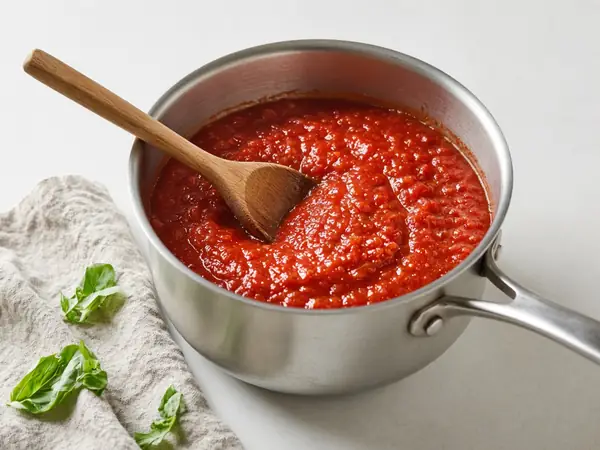
The first night is when I want proper dinner with the least decision-making. If I make Everyday Tomato Sauce, I use some straight away with pasta, plenty of black pepper and a handful of greens. The remaining sauce is not ‘pasta sauce again’; it is the basis for eggs baked in a small pan, beans on toast, or a few spoonfuls under roasted vegetables.
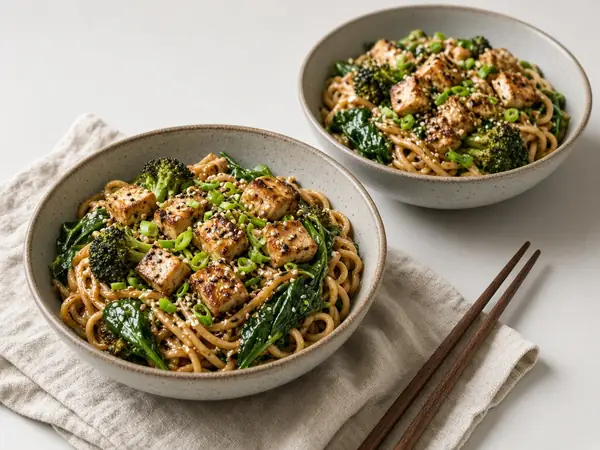
The same applies to grains. A Ginger Tofu Noodle Bowl is good freshly made, but cooked noodles are not my favourite lunch on day two. Instead, I would keep the tofu and vegetables separately if possible, then turn them into a rice bowl or stuff them into a warm wrap. A small change in format does an unreasonable amount for morale.
It is worth holding back fresh finishing touches. Do not add all the herbs, nuts, crisp onions or lemon zest to the first serving. Keep them in a little container and scatter them over the next meal. The food will taste brighter, and it will look less like something rescued from a plastic box.
Portion before you are hungry
This is the dull advice that has saved me most often. Once a pot is ready, I portion the extra before sitting down. If I wait until after dinner, I may either eat more than I wanted because it is there, or leave the whole pan to cool on the hob while I wash up and forget it exists.
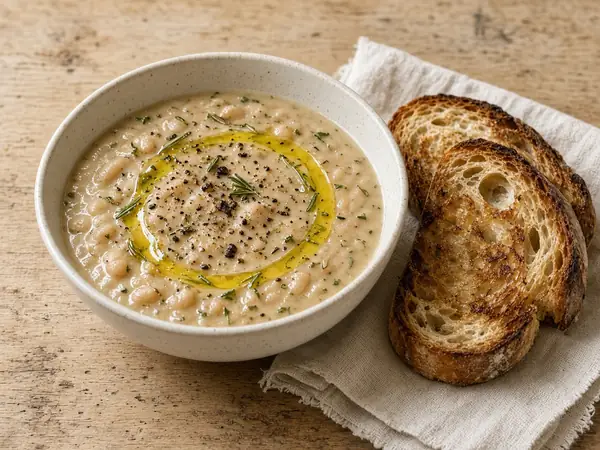
For soup, I use two containers: one for tomorrow and one for the freezer if there is enough. White Bean and Rosemary Soup freezes well in a single serving, and it is much nicer to discover on a busy evening than another takeaway menu. Label frozen food with what it is and the date. I once defrosted what I thought was tomato sauce and got a rather confusing apple compote.
Cool hot food reasonably quickly in shallow containers, then refrigerate it. Eat chilled leftovers within a couple of days, or freeze them while they still seem appealing. The freezer is not a place where good intentions become immortal.
Shop for overlap, not ambition
A good solo shop has ingredients that can cross over without forcing every meal into the same shape. One bag of spinach can go into eggs, pasta, soup and a sandwich. A lemon can season fish, dress a salad and sharpen a lentil dish. Yogurt can be breakfast, a sauce, or a sensible accompaniment to something spicy.
I try not to buy three separate recipes’ worth of fragile leaves, herbs and specialist condiments unless I have a very clear week ahead. That is how a modest fridge ends up containing half a fennel bulb, a heroic quantity of coriander and one sad packet of rocket. There is no shame in using frozen peas, tinned tomatoes, onions and sturdy carrots as the backbone of the week.
A loose plan is enough: two cooked dinners, one easy egg meal, one meal from the freezer, and one night for odds and ends. The plan should have room for changing your mind, because cooking for one ought to make life easier, not produce a tiny private rota.
- Choose one leafy green, one sturdy vegetable and one fruit for the week.
- Keep eggs, a tin or two of beans, and a useful carbohydrate such as bread, potatoes or rice.
- Buy a small piece of cheese or a pot of yogurt to make plain ingredients feel like dinner.
- Use herbs in one dish early in the week, then freeze the remainder chopped with a little oil or water.
Give odds and ends a proper landing place
The final small problem is the half-portion: a scoop of rice, a few roast vegetables, two spoonfuls of beans. These are not enough for dinner alone, but they are valuable if you have a few reliable ways to gather them up.
An omelette is the obvious answer, and a good one. So is a fried rice, a soup with a handful of grains added at the end, or toast with something warm piled on top. A small bowl of leftover vegetables beside soft-boiled eggs can be a very decent supper. If there is a small amount of cooked potato, a Warm New Potato and Pea Salad can become lunch with a little extra pea, a boiled egg or some flaked fish.
Most importantly, let some meals be assembled rather than cooked from scratch. A plate of hummus, warm vegetables, pickled onions, bread and an egg is not a failure of planning. It is exactly what planning for one is meant to give you: food that is ready when you are, without a week of identical bowls waiting in the fridge.