
Basic Hummus
A smooth, lemony chickpea hummus for toast, vegetables and packed lunches.
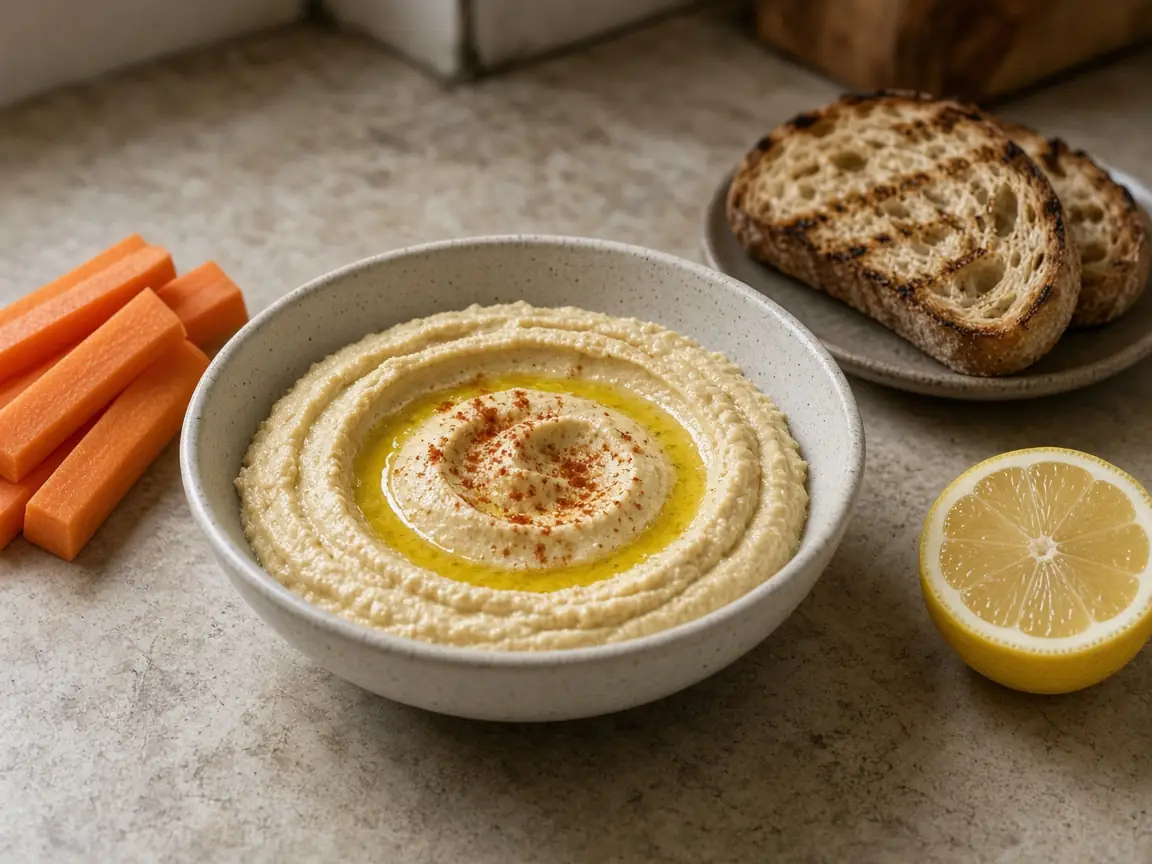
There is usually a tin of chickpeas at the back of my cupboard, behind the tomatoes and in front of something I bought with good intentions. Hummus is one of the better uses for it: a small amount of washing-up, a bright smell of lemon and garlic, and lunch is looking considerably more organised than it did ten minutes ago.
In winter I like it spread thickly on toast with a few quick pickled onions, or scooped up with carrots while something slow bubbles on the stove. Simmering the chickpeas briefly makes a noticeably softer, smoother hummus, even with an ordinary blender that has seen a few years of service.
Recipe
Basic Hummus
- Prep
- 10 min
- Cook
- 10 min
- Total
- 20 min
- Serves
- 4
Ingredients
- 1 x 400 g tin chickpeas, drained and rinsed (about 240 g drained)
- ½ tsp bicarbonate of soda
- 60 g tahini (¼ cup)
- 30 ml lemon juice (2 tbsp), plus more to taste
- 1 small garlic clove, roughly chopped
- ¾ tsp fine salt, plus more to taste
- 45 ml extra-virgin olive oil (3 tbsp), plus extra for serving
- 60–90 ml ice-cold water (¼–⅓ cup)
- ½ tsp ground cumin, optional
- A pinch of paprika or sumac, optional, to serve
Method
- Put the drained chickpeas in a small saucepan and cover with fresh water by a few centimetres. Add the bicarbonate of soda and bring to the boil. Simmer for 10 minutes, until the chickpeas are very soft and some skins are floating loose.
- Meanwhile, add the tahini, lemon juice, garlic and salt to a food processor or blender. Blend for 30 seconds, scraping down the sides once. The mixture may thicken and look a little seized; this is normal.
- Drain the chickpeas well. For an especially smooth result, rub away any loose skins in the colander, but do not worry about chasing every last one.
- Add the hot chickpeas and olive oil to the tahini mixture. Blend for 1 minute, then scrape down the bowl.
- With the motor running, add 60 ml of the ice-cold water. Blend for a further 1 to 2 minutes, until pale and smooth. Add more water, a tablespoon at a time, if it needs loosening.
- Taste and adjust with more lemon juice, salt or cumin. The flavour should be a little brighter and saltier than seems necessary at first, as it softens once chilled.
- Spoon into a shallow bowl, making a few swirls with the back of a spoon. Drizzle with olive oil and add a pinch of paprika or sumac, if using. Serve at room temperature or chilled.
Notes
- If your blender struggles with a thick mixture, add the cold water gradually and stop to scrape down the sides often. A food processor will give a slightly more rustic but still good result.
- For a milder hummus, use half a garlic clove. For a deeper flavour, replace the cumin with ½ tsp of ground coriander.
- Keep covered in the fridge for up to 4 days. It will firm up when cold; stir in a teaspoon or two of water before serving if needed.
- Use the hummus in sandwiches, alongside roasted vegetables, or as a base for a quick lunch bowl with grains and greens.
From Modest Oven by Clara Holm · modestoven.com/recipes/basic-hummus.html
More to cook
More pantry basics-
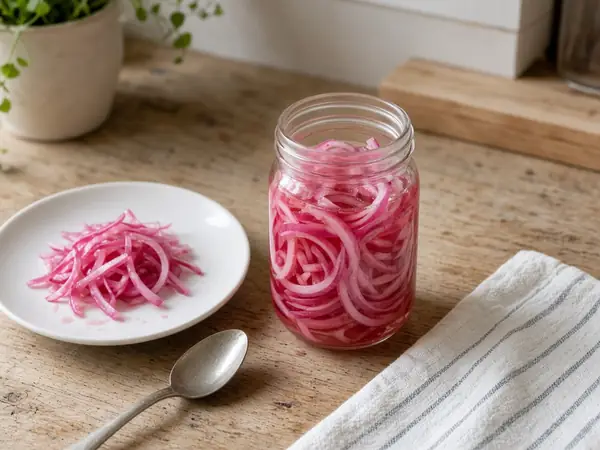
Pantry Basics
Quick Pickled Red Onions
Sharp, lightly sweet red onions for sandwiches, tacos and grain bowls.
-

Vegetables & Salads
Roasted Carrots with Tahini
Sweet roasted carrots with a lemony tahini sauce and toasted seeds.
-
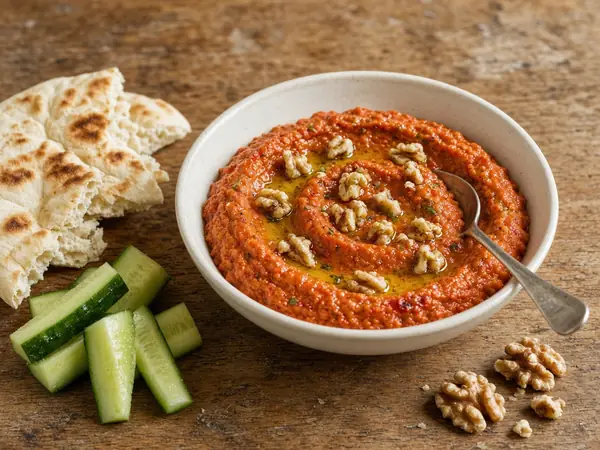
Pantry Basics
Red Pepper and Walnut Dip
A smoky roasted pepper and walnut dip for bread, vegetables and sandwiches.